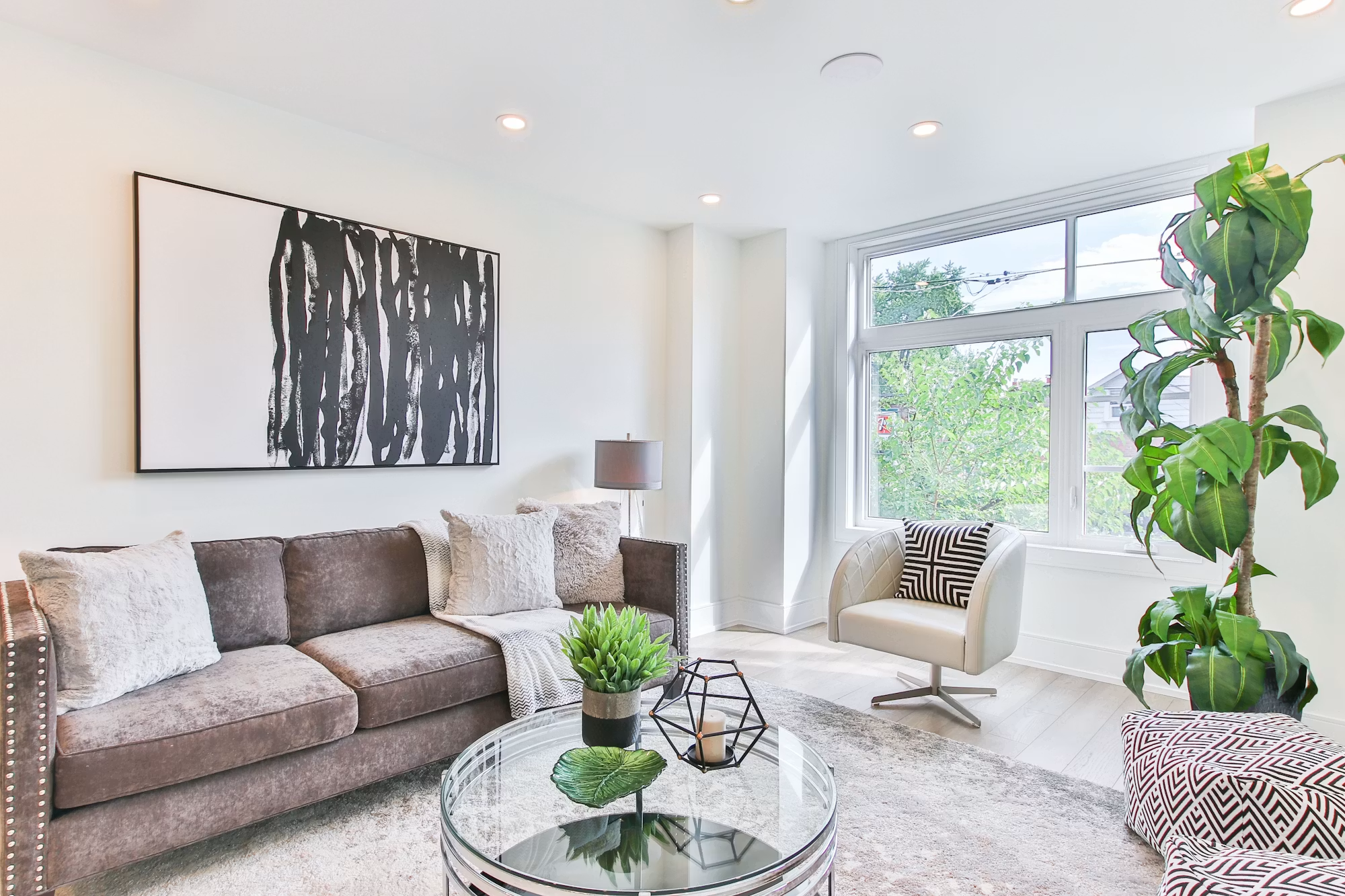
In today’s world, sustainability is more than just a trend; it’s a crucial aspect of design that addresses environmental concerns while creating beautiful living spaces. Homeowners and designers alike are increasingly focused on integrating eco-friendly practices into their interior design projects. This article delves into various strategies for embracing sustainability, highlighting materials, energy efficiency, and mindful decor choices that contribute to a greener home.
Understanding Sustainable Design
Sustainable interior design involves creating spaces that minimize environmental impact and promote a healthy lifestyle. This approach considers not only the materials used but also the overall functionality and lifecycle of each element within a space. By prioritizing sustainability, homeowners can contribute to reducing waste and conserving resources, all while enhancing the aesthetic appeal of their interiors.
Choosing Eco-Friendly Materials
One of the fundamental aspects of sustainable design is selecting eco-friendly materials. These materials should be sourced responsibly, with a focus on renewable resources. For instance, bamboo is a popular choice due to its rapid growth and renewability. It can be used for flooring, furniture, and decorative elements, offering a stylish yet sustainable option.
Reclaimed wood is another excellent choice, as it repurposes existing materials, reducing the need for new timber. Using reclaimed wood not only adds character and history to a space but also significantly lowers the carbon footprint associated with new production. Additionally, consider materials like cork, which is harvested sustainably from cork oak trees without harming the trees themselves, providing a unique and durable flooring option.
For textiles, look for organic cotton, linen, and hemp. These materials are grown without harmful pesticides or synthetic fertilizers, making them a healthier choice for both the environment and indoor air quality. When selecting paints and finishes, opt for low-VOC (volatile organic compounds) options that reduce indoor air pollution and are less harmful to the environment.
Energy Efficiency
Incorporating energy-efficient elements into interior design is another crucial step toward sustainability. Start with lighting: LED bulbs consume significantly less energy than traditional incandescent bulbs and have a longer lifespan. Consider installing dimmer switches and motion sensors to further enhance energy efficiency, ensuring that lights are only on when needed.
Windows play a significant role in energy conservation. Double or triple-glazed windows provide better insulation, reducing the need for heating and cooling. Additionally, installing window treatments such as shades or thermal curtains can help regulate indoor temperatures, making homes more energy-efficient.
Heating and cooling systems are essential to consider as well. Opt for programmable thermostats that allow homeowners to set schedules for heating and cooling, maximizing comfort while minimizing energy usage. Incorporating ceiling fans can also aid in circulating air efficiently, further enhancing energy savings.
Mindful Decor Choices
Sustainable interior design extends beyond materials and energy efficiency; it also encompasses mindful decor choices. Consider selecting furnishings and decor items that are produced ethically and sustainably. Supporting local artisans and businesses not only reduces the carbon footprint associated with transportation but also promotes fair labor practices.
When it comes to decor, consider incorporating plants into your interior. Houseplants not only enhance aesthetic appeal but also improve indoor air quality by filtering pollutants. Choosing native plants that require less water and maintenance can further contribute to a sustainable environment.
Moreover, opt for multifunctional furniture that maximizes space and minimizes clutter. Pieces like sofa beds, storage ottomans, and foldable tables allow for versatility in small spaces, reducing the need for excess items. This approach encourages minimalism, which is inherently more sustainable as it promotes fewer purchases and less waste.
Incorporating Upcycling and Recycling
Upcycling is a creative way to embrace sustainability in interior design. This practice involves repurposing old items into new and functional pieces, reducing waste and extending the life of materials. For instance, an old ladder can become a unique bookshelf, or vintage suitcases can serve as stylish storage options.
Recycling plays a significant role in sustainable design as well. Ensure that any discarded materials, such as old furniture or construction debris, are recycled properly. Many local facilities accept wood, metal, and textiles, allowing these materials to be transformed into new products rather than ending up in landfills.
Creating a Sustainable Lifestyle
Incorporating sustainability into interior design is not only about the physical space; it’s also about fostering a lifestyle that prioritizes eco-consciousness. Educate family members about sustainable practices, encouraging habits such as recycling, conserving water, and reducing energy consumption. Creating a home that reflects these values promotes a sense of community and responsibility toward the environment.
Additionally, consider embracing a holistic approach to wellness within your space. Choose non-toxic cleaning products, and ensure good ventilation to maintain air quality. Creating a healthy home environment goes hand in hand with sustainable practices, contributing to overall well-being.
Conclusion
Embracing sustainability in interior design is a rewarding journey that benefits both the environment and personal well-being. By choosing eco-friendly materials, incorporating energy-efficient practices, and making mindful decor choices, homeowners can create beautiful spaces that reflect their values. As the world moves toward a more sustainable future, the choices made in interior design can significantly impact the planet. Start today by incorporating these principles into your home, creating a sanctuary that is not only aesthetically pleasing but also environmentally friendly. Together, we can cultivate a greener world, one room at a time.